
Ruby has been valued for centuries due to its excellent hardness (9 on the Mohs scale), along with its precious red tone and vitreous luster. Ruby is a variety of corundum that gets its chrome red color. Corundum, found in any color other than red, is classified as sapphire. In its pure form, corundum is completely colorless. The word “corundum” comes from the Tamil “Kuruvindam”, which means “ruby sapphire.” In ancient Sanskrit, the ruby is known as “ratnaraj,” which translates as “the king of stones.”
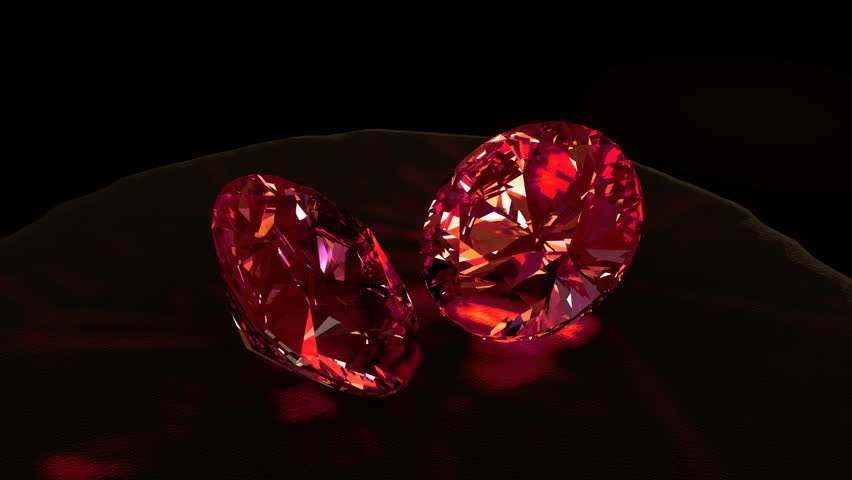
About ruby
nformation about the ruby Natural GemSelect Rubies – Large Image Buy natural rubies from GemSelect About the ruby - History and introduction Ruby is one of the most valuable colored gemstones, in fact, large rubies can reach higher prices than diamonds of equivalent size.
Ruby has been valued for centuries due to its excellent hardness (9 on the Mohs scale), along with its precious red tone and vitreous luster. Ruby is a variety of corundum that gets its chrome red color. Corundum, found in any color other than red, is classified as sapphire. In its pure form, corundum is completely colorless. The word “corundum” comes from the Tamil “Kuruvindam”, which means “ruby sapphire.” In ancient Sanskrit, the ruby is known as “ratnaraj,” which translates as “the king of stones.”
Ancient Sanskrit texts, the bible and other historical documents refer to the ruby as a precious gem, indicating the rich history and constant appreciation towards the rubies.
The ancient Hindus believed that by making an offering with a ruby to Krishna, reincarnation was guaranteed as an emperor. Burmese warriors believed that rubies would make them invincible and even inserted rubies under their skin for this purpose